

Choosing a nitrile glove supplier sounds simple on paper. A distributor needs product, pricing, and dependable delivery. But anyone who has been in this business long enough knows the real decision is more complicated than that.
A glove line can look strong in a catalog and still create problems once orders start moving. Lead times stretch. Product specs vary from one shipment to the next. Packaging changes without warning. A glove that looked good in a sample tears too easily in the field, or the distributor ends up spending too much time chasing paperwork, freight updates, and replacement orders.
That is why evaluating a nitrile glove supplier should go beyond unit cost. Distributors need a partner that can support long-term growth, protect customer relationships, and keep supply moving across changing markets. The strongest supplier relationships usually come down to consistency. Not just consistent inventory, but consistent quality, communication, documentation, and product strategy.
For distributors serving automotive, industrial, janitorial, foodservice, sanitation, or mixed commercial accounts, it helps to have a clear checklist before taking on a glove line. The points below can help separate a supplier that simply sells gloves from one that is actually prepared to support your business.
Start With Product Consistency, Not Just Product Variety
A broad catalog is helpful, but consistency matters more. Distributors can work with a focused line if they trust what is arriving in each case.
The real test is whether the supplier can deliver a glove that performs the same way from order to order. If the fit changes, the thickness feels different, or the glove tears more easily than the last shipment, the distributor is the one fielding those complaints. That problem becomes even harder when the gloves are being sold into high-volume environments where crews notice changes immediately.
A supplier worth building around should be able to explain how product quality is controlled, how specifications are maintained, and what distributors can expect across recurring orders. That includes core details like mil thickness, grip texture, cuff strength, sizing consistency, and packaging reliability.
Atlantic Safety Products has built much of its reputation around that point. The company is focused specifically on disposable nitrile gloves, which gives distributors a tighter product story than a catalog built around dozens of unrelated PPE categories. ASP also makes technical resources available through its distributor support pages, including sell sheets and spec sheets that help buyers evaluate products before they commit to a program.
A Good Nitrile Glove Supplier Should Understand the End Market
Not every glove is meant for the same customer, even when the box looks similar at first glance.
A distributor selling to auto repair shops has different needs than one selling into janitorial accounts, tattoo studios, food handling operations, or industrial maintenance teams. The best suppliers understand that and build product lines around real use cases instead of expecting one glove to fit every market.
This matters during the buying process because distributors need help matching gloves to customer demand. A supplier should be able to explain where each glove fits, what level of durability it offers, and which industries are the strongest match. That guidance makes it easier to position the line with confidence.
That market alignment matters even more right now because glove demand is no longer centered on healthcare alone. According to Grand View Research’s nitrile gloves market report, North America holds the largest share of the global nitrile glove market, with demand expanding across food and beverage, automotive, and pharmaceutical end uses. For distributors, that matters because it reinforces a broader point: the right supplier should be able to support more than one vertical and help you grow across multiple customer segments as demand shifts.
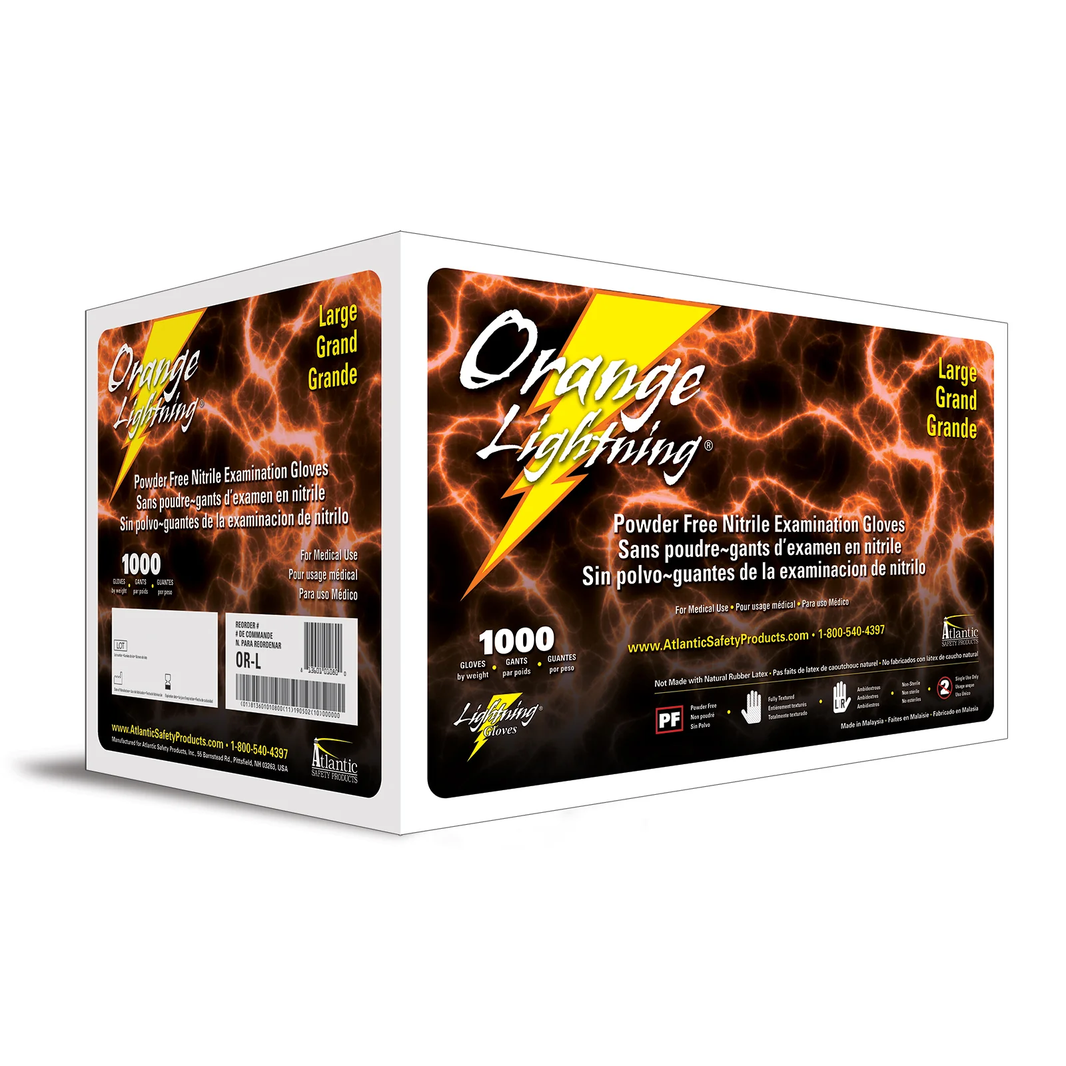
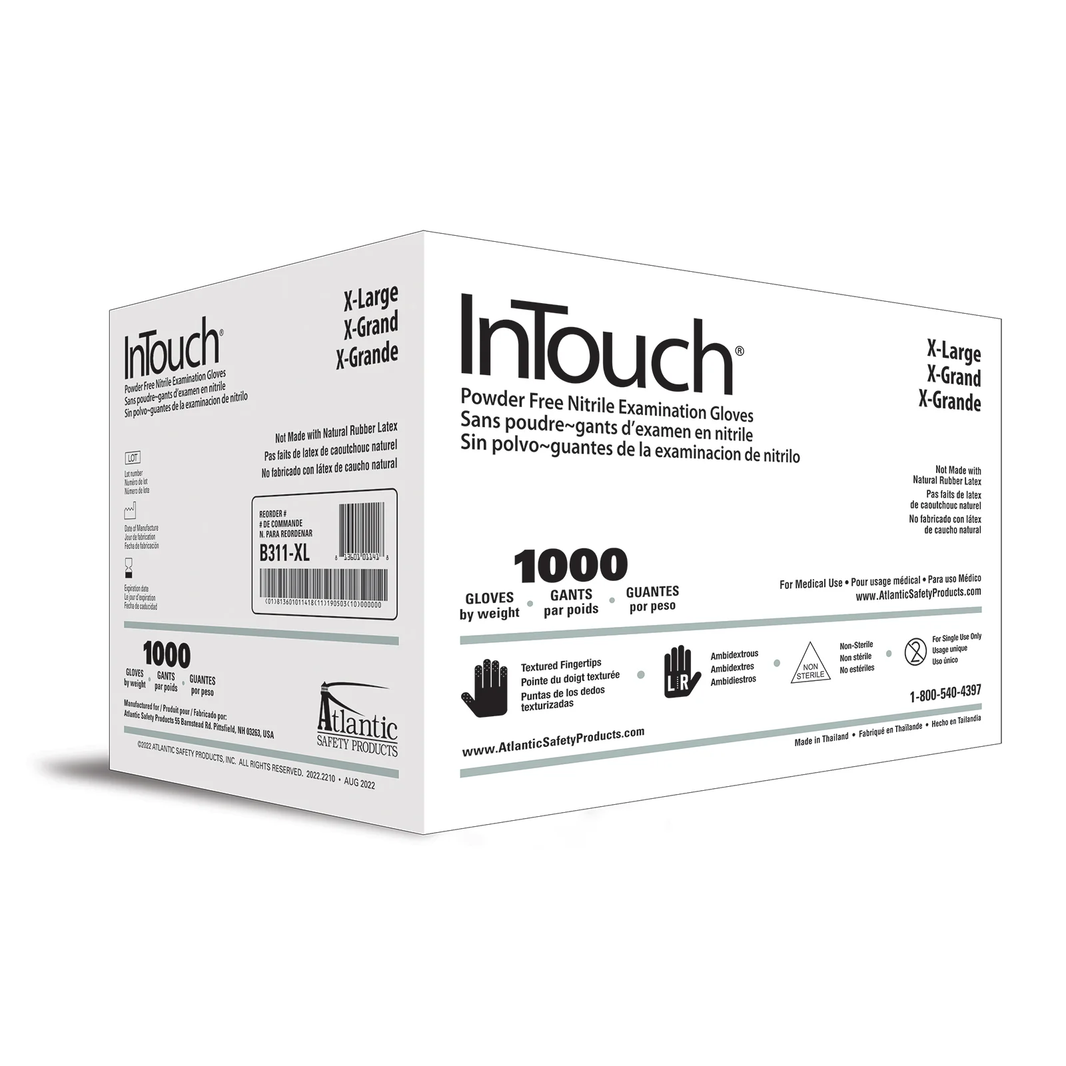
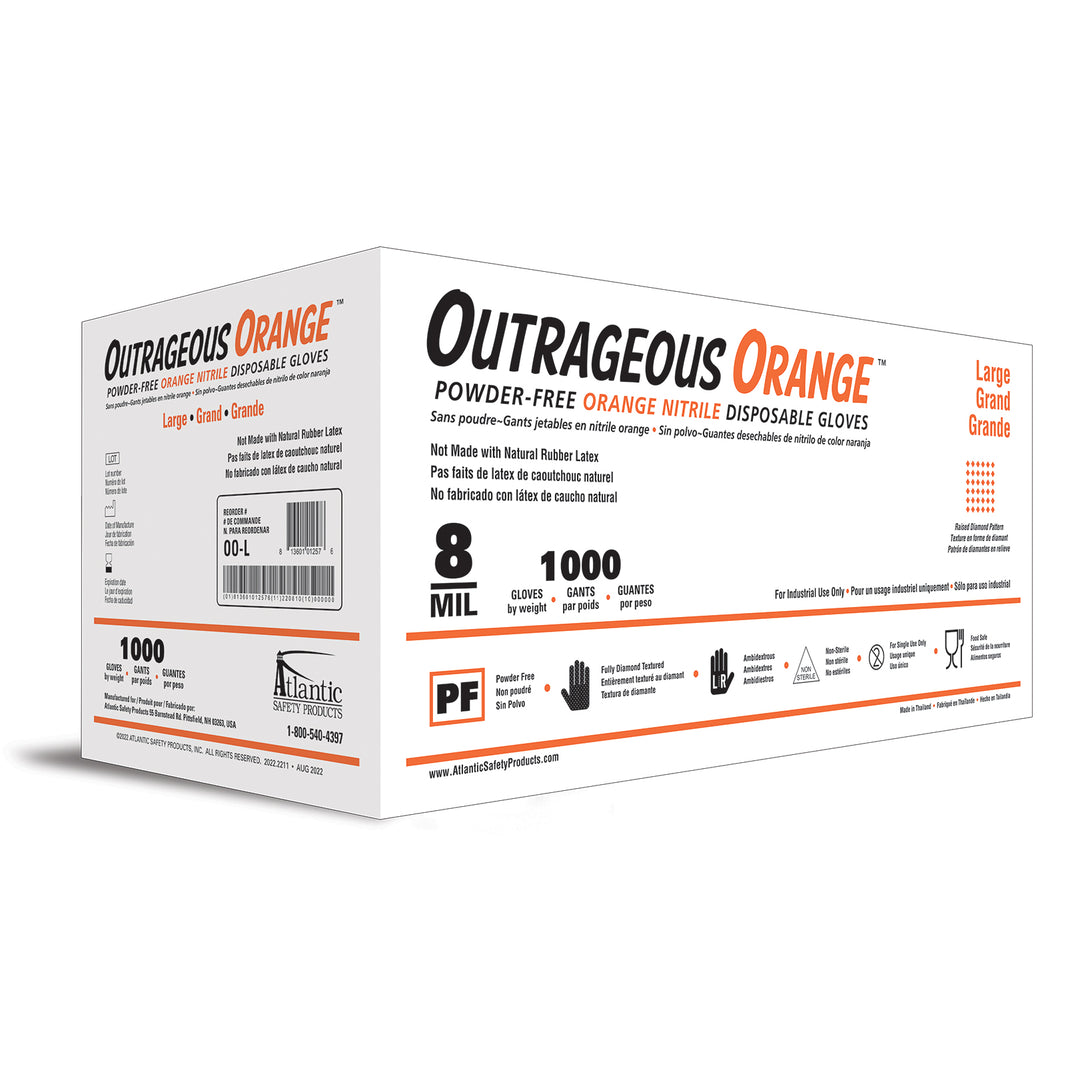
For example, Atlantic Safety Products offers multiple nitrile glove families aimed at different end uses, including automotive, industrial, beauty, tattoo, and exam-style applications. Its glove lineup is not presented as a one-size-fits-all solution, which is usually a good sign for distributors trying to build targeted programs instead of generic inventory.
Ask About the Support Behind the Product
Distributors do not just buy boxes. They buy the systems behind those boxes.
If a customer asks for a spec sheet, SDS, product image, case details, or item codes, the distributor should not have to scramble for basic information. The supplier should already have those materials organized and ready to use. That is especially important when distributors are selling to larger accounts with procurement requirements, onboarding documents, or formal approval processes.
A strong supplier relationship usually includes practical support like:
-
Spec sheets and sell sheets for each glove line
-
Product images and packaging information for listings or sales materials
-
Clear case counts, sizing information, and item numbers
-
Access to chemical resistance or performance documentation where relevant
-
A contact process that does not leave distributors waiting days for basic answers
This part of the relationship is easy to overlook at the start. It becomes much more important once the distributor is actively selling the line and customer questions start arriving.
ASP’s distributor resources are a good example of the kind of support structure distributors should look for. The company provides product-specific resource materials rather than leaving partners to build sales tools on their own.
Reliability Matters More Than a Low Price on a Spreadsheet
Price matters. Every distributor watches margin. But a low landed cost does not help much if the supplier cannot keep product moving.
Distributors need to know what happens after the order is placed. Is the supplier known for steady fulfillment? Do they have a clear shipping process? Are they transparent about inventory and lead times, or does every purchase turn into a guessing game? If a customer needs recurring glove supply for multiple locations, the distributor needs confidence that replenishment will not turn into a weekly problem.
This is where supplier reputation becomes important. Look for signs that the company is built to serve wholesale demand rather than one-off consumer orders. That includes case-based ordering, distributor-focused logistics, and clear language around fulfillment expectations.
Atlantic Safety positions itself as a wholesale glove supplier, and the company highlights same-day order processing on qualifying orders and bulk case quantities across its nitrile glove lines. Those details matter to distributors because they point to an operation designed around ongoing supply rather than occasional retail sales.
Look Closely at the Supplier’s Core Focus
Some suppliers sell gloves as one item in a very large PPE catalog. Others are much more specialized. Neither model is automatically wrong, but distributors should understand the difference before choosing a partner.
A supplier that is deeply focused on nitrile gloves is often better positioned to speak clearly about compounding, glove performance, category fit, and product changes over time. That focus can also help when new opportunities appear in the market, since the supplier is already paying attention to how glove demand shifts across industries.
Atlantic Safety’s background is relevant here. The company has been in the disposable glove business for decades and has narrowed its attention to nitrile gloves rather than trying to be everything to everyone. That kind of category focus can make a difference for distributors who want more than a generic supplier relationship. It gives the supplier a clearer point of view on the market, which usually leads to better conversations about where products fit and what should be stocked.
A Supplier Should Make It Easy to Sell the Line
This is the question many buyers skip: once you bring the gloves in, how easy will it be to move them?
A good nitrile glove supplier should not leave distributors doing all of the heavy lifting. The product line should be understandable. The packaging should make sense. The glove families should be distinct enough that a sales rep can explain them without turning every quote into a technical seminar.
That includes how the supplier organizes its product portfolio. If there are too many overlapping SKUs with unclear differences, the line becomes harder to sell. If the glove families are clearly separated by use case, price tier, or thickness, it becomes much easier for distributors to guide customers toward the right option.
For distributors working across several verticals, it also helps to have a mix of glove lines at different price and performance levels. Some customers want a premium automotive or industrial glove. Others need a more economical option that still comes from a reliable source.
This is where Atlantic Safety’s lineup becomes interesting from a distribution standpoint. The company has established gloves tied to automotive and industrial demand, but it is also preparing to expand with a new product aimed at other buying segments. Atlantic Safety’s upcoming “Market Edition” glove, a 3.5 mil standard-thickness nitrile glove geared toward janitorial, sanitation, and restaurant markets, points to a broader strategy that could help distributors serve more price-sensitive commercial accounts without leaving the Atlantic ecosystem. If that launch lands well, it could give distributors another way to fill a gap between heavier-duty industrial gloves and lighter-use market needs.
Two Internal Checks Worth Making Before You Commit
Before signing on with any supplier, it helps to review two parts of their business directly.
First, look at the actual glove categories and how they are merchandised. Are the industrial products clearly separated from automotive, exam, or specialty gloves? Can you quickly tell what belongs in which market? Atlantic Safety’s main nitrile glove collections make that easier by grouping gloves by use case and product family rather than burying everything in one long list. If you want to review the current lineup, their nitrile glove collection is a good place to start.
Second, check whether the supplier appears to have built real infrastructure for wholesale partners. A distributor page with sell sheets, specs, and support resources tells you much more than a homepage ever will. Atlantic Safety Products’ distributor resource center is useful here because it shows how the company supports resellers after the first order is placed.
Neither of those checks replaces a deeper supplier review, but both help answer a practical question: does this company look prepared to work with distributors, or does it just say it does?
The Best Supplier Relationship Should Reduce Friction
At the end of the day, the right nitrile glove supplier should make distribution easier, not harder.
That means fewer surprises with product quality. Fewer gaps in documentation. Fewer headaches around ordering and fulfillment. It also means having a supplier that understands where its gloves fit in the market and can help distributors build a product mix that actually makes sense for their customer base.
There is no perfect checklist that guarantees a flawless supplier relationship. Markets change, product lines expand, and customer demand shifts from one year to the next. Still, distributors are usually in a stronger position when they choose a supplier with a clear category focus, dependable support materials, wholesale experience, and a product lineup that is built around real end users.
Conclusion
Choosing a nitrile glove supplier is not just a sourcing decision. For distributors, it is a decision about product confidence, sales support, customer retention, and long-term growth.
The suppliers worth keeping are the ones that help you do your job better. They provide consistent gloves, clear documentation, dependable wholesale support, and a lineup that fits the markets you serve. When those pieces are in place, it becomes much easier to sell with confidence and scale the relationship over time.
For distributors evaluating Atlantic Safety Products, the company’s long history in disposable gloves, focused nitrile lineup, wholesale orientation, and distributor resources all make it a supplier worth a closer look.