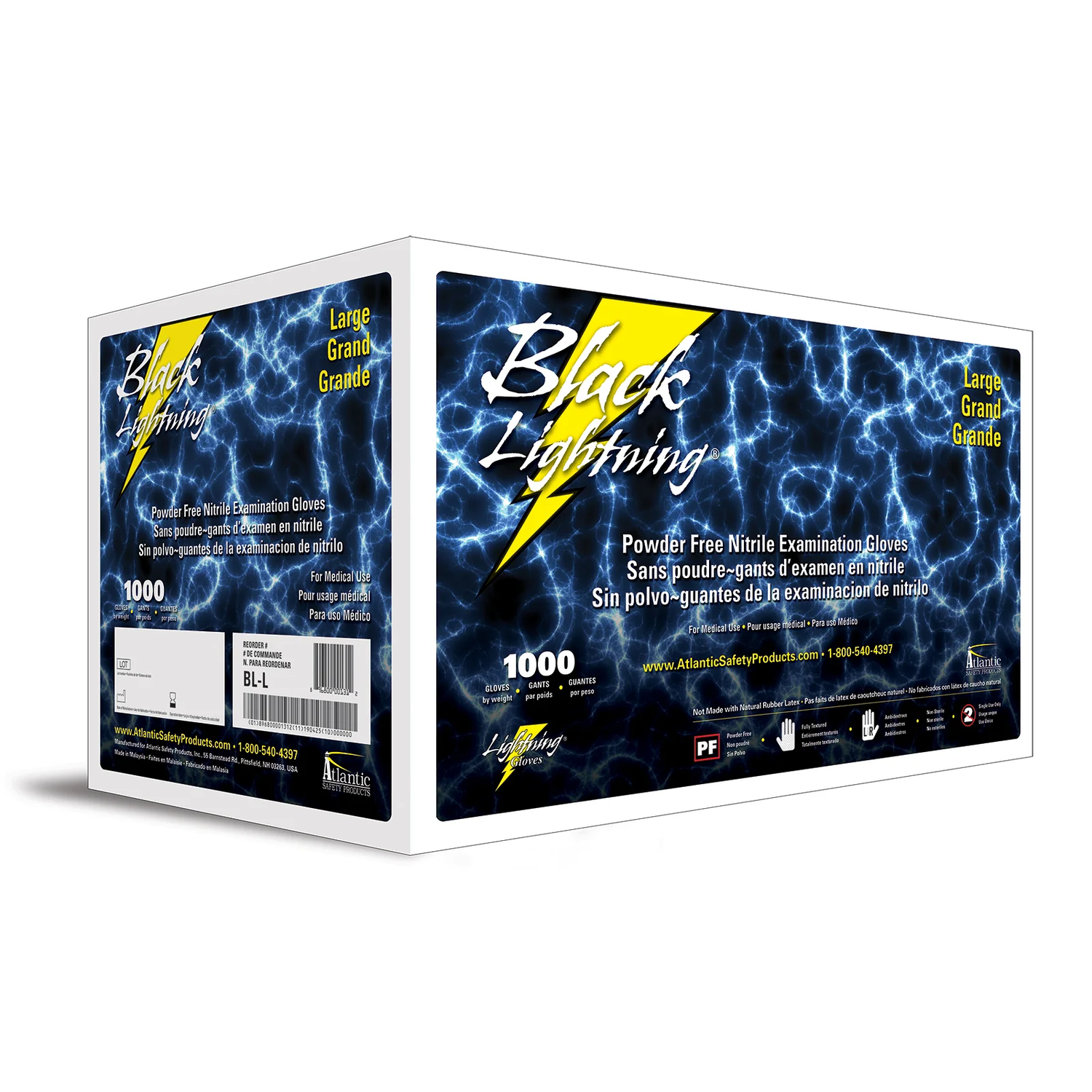


Choosing the right disposable glove can affect food handling, worker comfort, and day-to-day hygiene. For many facilities, food safe gloves come down to three common materials: nitrile, latex, and vinyl.
Each material has strengths and drawbacks. The best choice depends on the type of food work, how often gloves are changed, and what employees need from the glove during a shift.
For restaurants, food processors, commercial kitchens, and sanitation teams, understanding the differences in disposable gloves makes purchasing decisions much easier.
What Makes a Glove Suitable for Food Handling?
A glove used around food needs to fit the application and support the facility's food safety practices. It should not be selected based on material alone.
The FDA Food Code states that food employees should not use bare hands to contact exposed ready-to-eat food. Single-use gloves are one suitable option for preventing that contact. The Code also states that single-use gloves should be limited to one task and discarded when damaged, soiled, or after certain interruptions.
That makes glove selection only one part of the process. Proper handwashing, glove changes, storage, and employee training still matter.
Before choosing a glove, it helps to understand how nitrile, latex, and vinyl differ.
Nitrile Gloves Offer a Strong Balance
Nitrile is a synthetic rubber that has become a popular choice for disposable gloves across food service, industrial, medical, and cleaning applications.
The material provides good flexibility and tactile sensitivity while offering more resistance to punctures and many common substances than some other disposable glove materials.
Nitrile also contains no natural rubber latex. That makes it a practical option for workplaces where latex exposure is a concern.
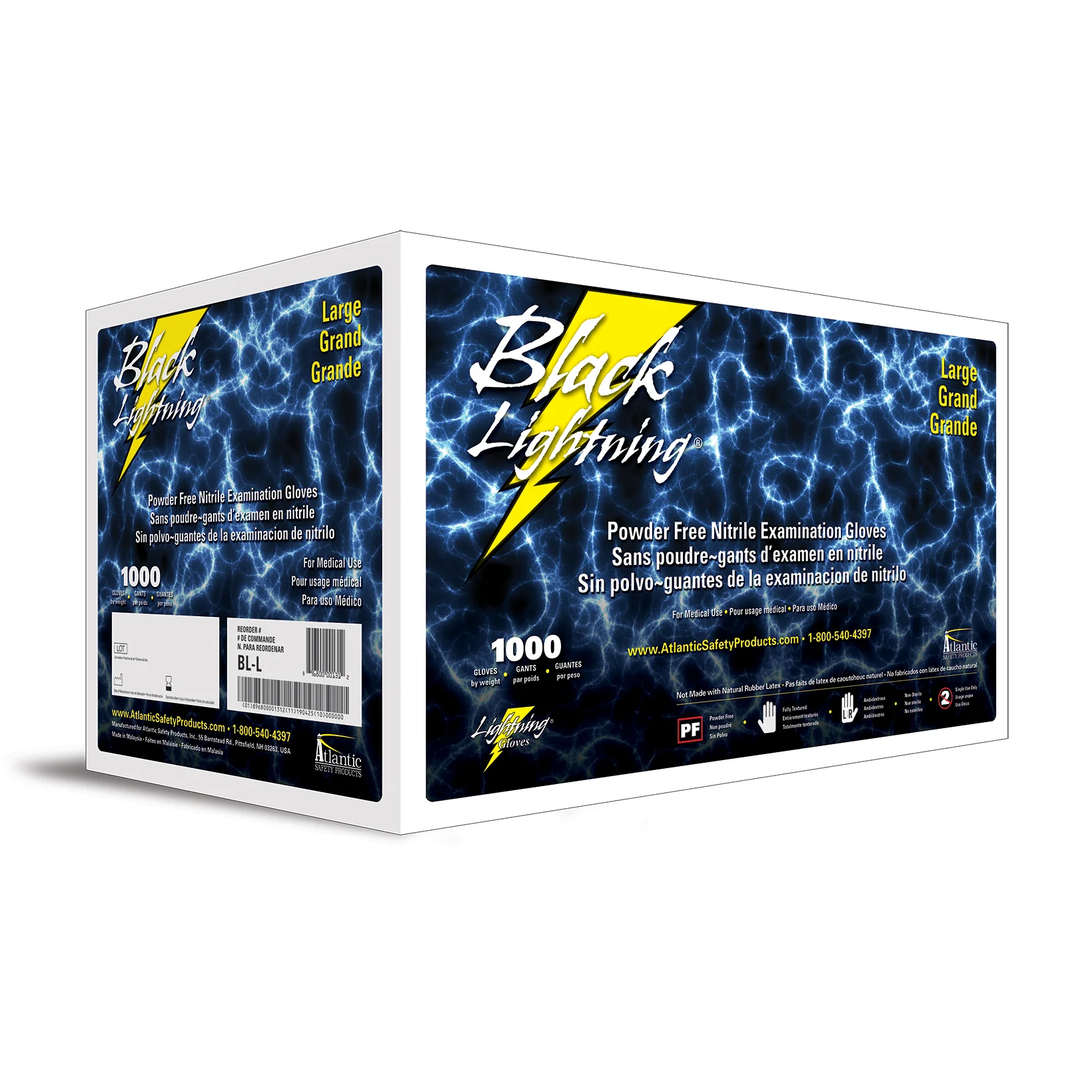
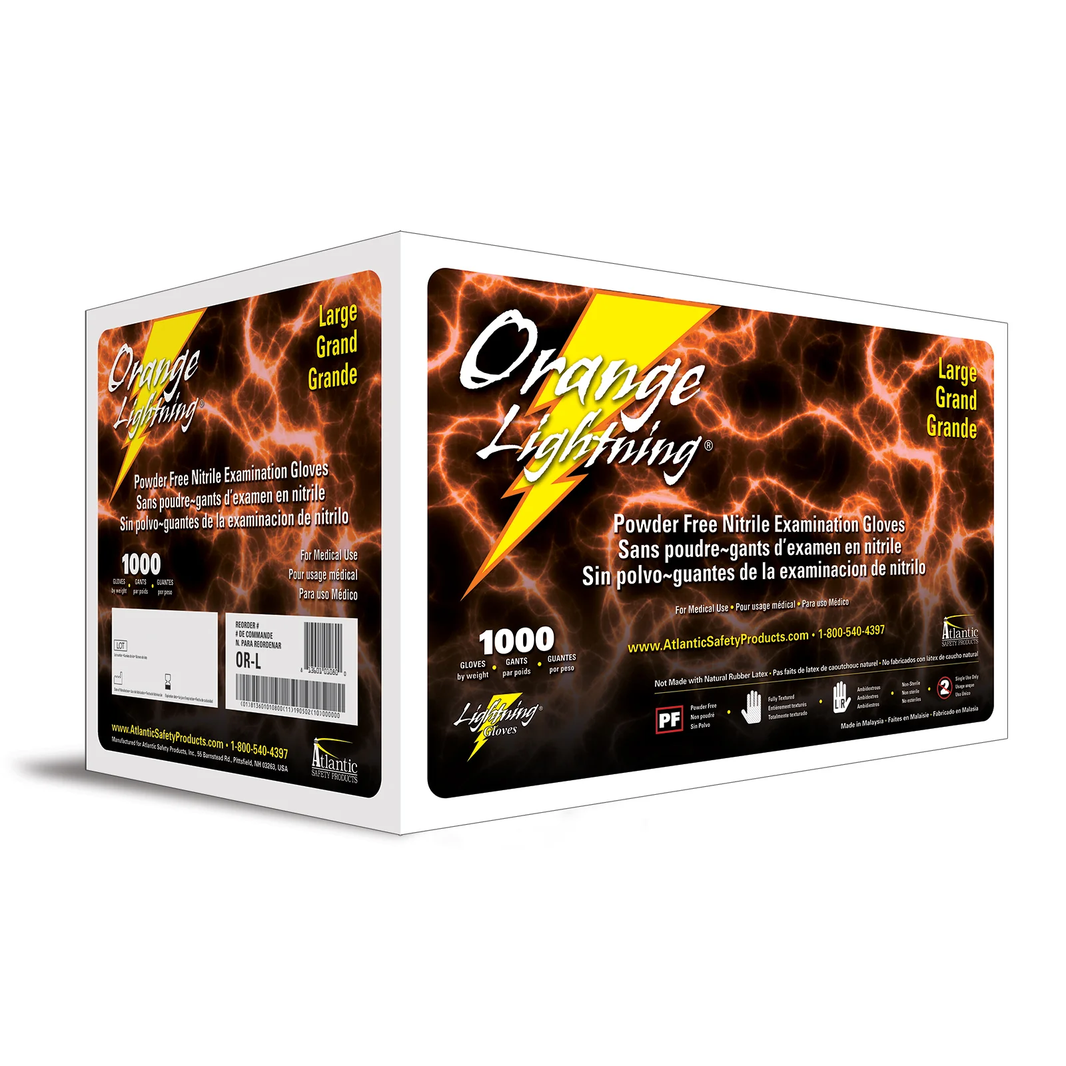
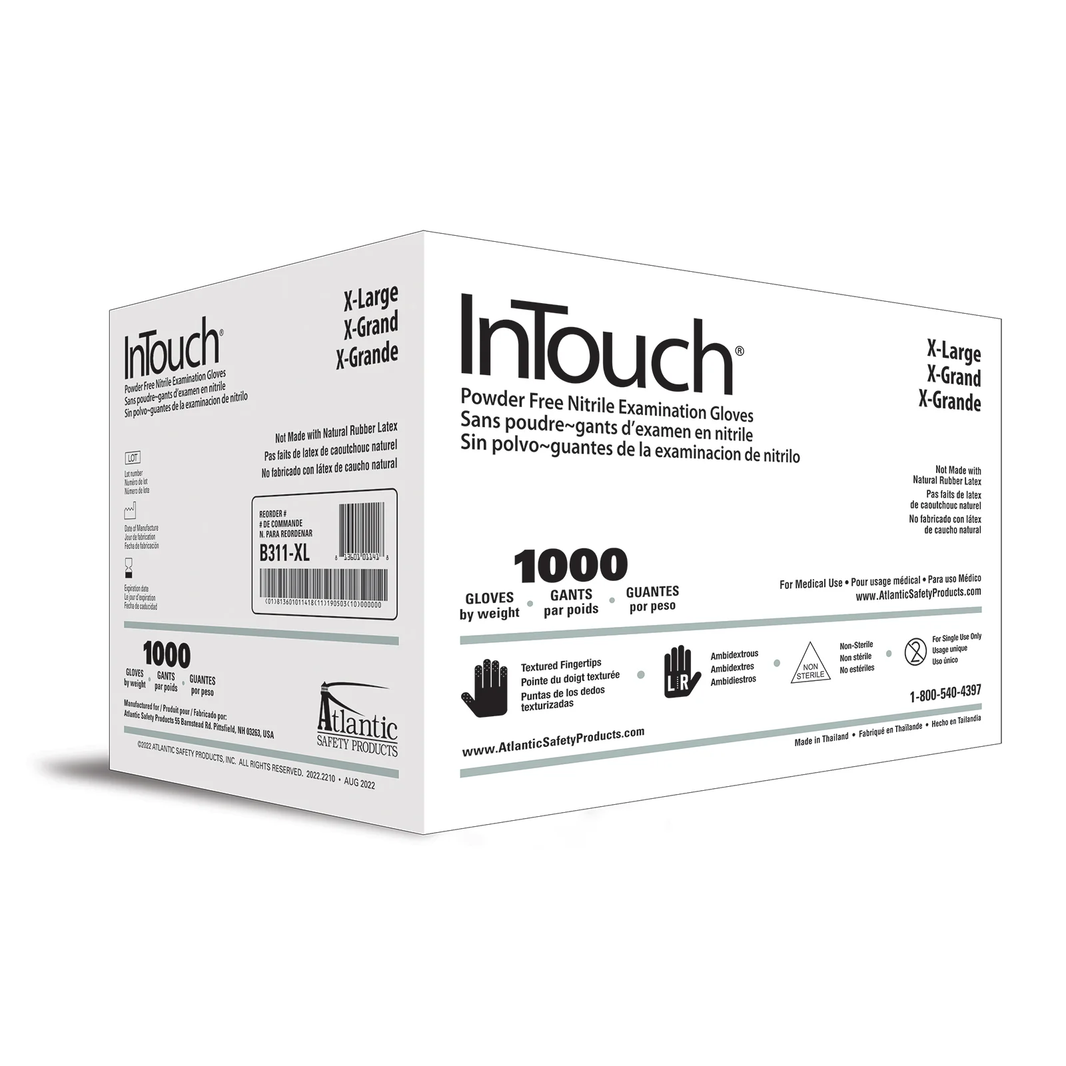
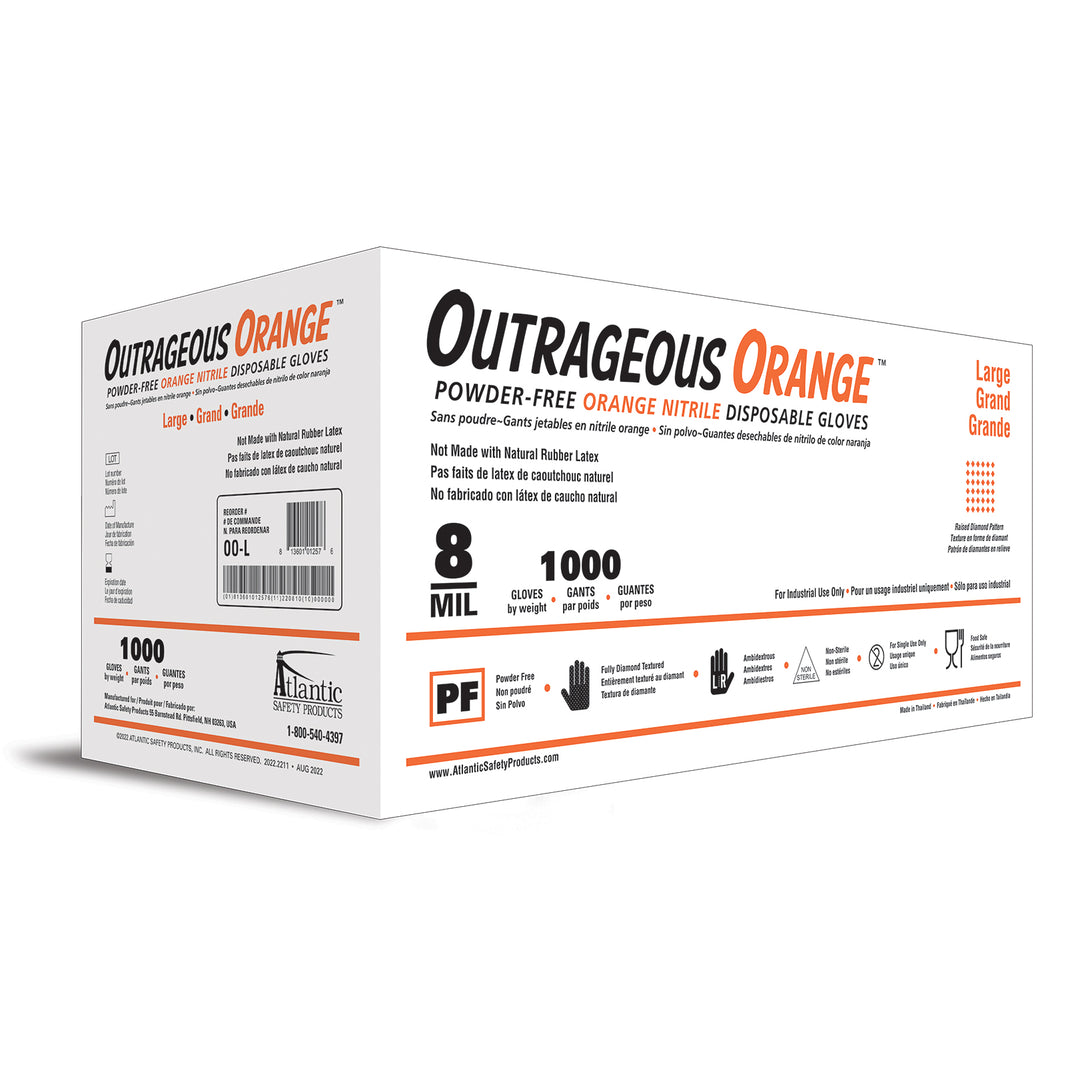
Atlantic Safety Products describes nitrile as a durable material with good flexibility and resistance to oils, greases, and hydrocarbons. Its glove selection guidance also compares nitrile with latex and vinyl for food-handling applications.
For food workers, that combination can make nitrile a useful choice for tasks that require frequent hand movement and reliable glove performance.
Latex Gloves Still Have Advantages
Latex has been used for disposable gloves for decades, and there is a reason it remains popular.
Natural rubber latex is highly elastic and provides a close fit. Workers often appreciate the flexibility and tactile feel, especially during detailed tasks.
Latex gloves can work well for certain food-handling applications when the facility's requirements allow them. The concern is not performance alone. Some people can develop allergic reactions to natural rubber latex.
That issue deserves attention in workplaces with many employees. A facility that uses latex gloves should have a clear policy for workers with latex sensitivities and consider whether a latex-free option makes more sense.
Nitrile removes that particular concern while retaining many of the qualities workers like about latex.
Vinyl Gloves Can Work for Light-Duty Tasks
Vinyl gloves are made from polyvinyl chloride, or PVC. They are often chosen for their lower cost and use in short, light-duty tasks.
Vinyl does not stretch as much as nitrile or latex. It can also provide a looser fit, which may be acceptable for simple food preparation, serving, or cleanup work.
For facilities that go through large quantities of gloves, cost can be an important factor. Still, the lowest price per box does not always mean the lowest cost during a full shift. A glove that tears easily can lead to more frequent replacements and more interruptions.
Food Safe Gloves Should Match the Job
There is no single disposable glove that makes sense for every task in a food operation.
A worker preparing sandwiches has different needs from someone cleaning a processing line. A packaging employee may need good dexterity, while a sanitation worker may place more value on durability and resistance to cleaning products.
A facility can break its glove needs into simple categories:
-
Food preparation
-
Ready-to-eat food handling
-
Ingredient handling
-
Packaging
-
Serving
-
Cleaning and sanitation
-
General facility maintenance
Once those jobs are separated, the choice becomes clearer.
Nitrile can be a strong all-around option for facilities that want flexibility across several tasks. Vinyl can make sense for simpler, short-duration work, while latex can provide excellent fit and tactile feel for workplaces that permit its use.
Nitrile vs. Latex vs. Vinyl at a Glance
The differences become easier to see when the materials are placed side by side.
Nitrile
Nitrile offers a strong mix of durability, flexibility, tactile control, and resistance to many common workplace substances. It is also latex-free.
For food service operations that need a glove for repeated handling, preparation, or cleanup, nitrile can provide a dependable middle ground between comfort and durability.
Latex
Latex stands out for its elasticity and close fit. It can provide excellent tactile sensitivity during detailed work.
Its main drawback is the potential for latex allergies. Facilities should account for that concern before choosing latex as a standard glove material.
Vinyl
Vinyl is often selected for its lower cost and suitability for lighter tasks. It can work well for quick food preparation, serving, and general cleanup.
Its lower stretch and mechanical strength make it less suitable for demanding jobs where the glove needs to withstand more stress.
Why Powder-Free Construction Matters
Material is not the only factor worth checking.
Food facilities should also consider whether gloves are powder-free. Powder can create an unnecessary contamination concern around food, while powder-free gloves eliminate that source of residue.
Powder-free construction is common across many modern disposable nitrile gloves. It also makes sense for facilities that want a simple glove policy across food preparation and related tasks.
The FDA Food Code focuses on preventing contamination rather than requiring one specific glove material. That gives facilities room to select products based on their particular operations and applicable requirements.
Workers should still wash their hands before putting on gloves. Gloves are a barrier, not a replacement for proper hand hygiene.
Fit and Thickness Can Change the Experience
A glove that fits poorly can make a simple task frustrating.
Gloves that are too loose can interfere with grip and dexterity. Gloves that are too tight can create discomfort during repetitive movements.
Food service employees often wear disposable gloves throughout long shifts. A comfortable fit can make a noticeable difference during repeated preparation and handling tasks.
Thickness also deserves attention. Thicker gloves can provide more durability, but they may reduce tactile feel. Thinner gloves can offer greater sensitivity but may not be the best choice for demanding work.
The right balance depends on the task.
Changing Gloves Is Just as Important as Choosing Them
A high-quality glove does not protect food from poor glove-handling practices.
The FDA Food Code says single-use gloves should be used for one task and discarded when damaged or soiled. The guidance also addresses glove changes after interruptions in an operation.
That means employees need to know when a glove has reached the end of its useful life.
Common reasons to change gloves include:
-
Moving from raw food to ready-to-eat food
-
Changing tasks
-
Handling contaminated materials
-
Touching non-food surfaces
-
Damaging or tearing a glove
-
Leaving a workstation and returning
These practices help prevent a clean glove from becoming a source of cross-contamination.
Atlantic Safety Products Adds a Food Service Option
Atlantic Safety Products continues to expand its disposable glove lineup for different workplace needs.
One upcoming addition is the Market Edition, which is being developed with restaurant and sanitation markets in mind. That gives foodservice buyers another option to consider as they evaluate gloves for their operations.
The product also gives distributors an opportunity to serve customers looking for gloves geared toward foodservice environments rather than relying on one product for every industry.
For buyers, the important step is to review the product's specifications and intended application once available. Glove selection should always follow the requirements of the actual task.
What Should Food Facilities Choose?
For many operations, nitrile offers the most balanced option of the three materials.
It provides flexibility, good tactile control, durability, and latex-free construction. Those qualities make it suitable for a wide range of food service and food processing tasks.
Latex remains a strong choice for fit and tactile sensitivity, but allergy concerns can limit its use. Vinyl offers a lower-cost option for lighter tasks, though it does not provide the same stretch and mechanical strength as nitrile.
The right answer depends on the job rather than the material's reputation alone.
Facilities that handle several types of work may also find that using more than one glove type makes sense. A simple task-based glove policy can help employees choose the right product without making the process complicated.
The Bottom Line
The best food safe gloves balance the demands of the task with comfort, durability, hygiene, and cost. Nitrile offers a strong all-around choice, while latex and vinyl each have situations where they can work well.
For food operations that want one versatile material, nitrile is worth serious consideration. It combines useful performance characteristics without the natural rubber latex found in latex gloves.
Atlantic Safety Products brings decades of disposable glove experience to the food service and broader workplace markets. Its expanding lineup, including the upcoming Market Edition, gives foodservice buyers more choices as their needs change.
Browse food-service and disposable glove options to compare the available products with the tasks your team performs each day.